
Overview
In this PA panel, you’ll learn how three Canadian PAs - Nancy Davis (MSc in Health Science Education candidate), Jean-Nicolas Chagnon (MBA candidate), and Lisa Moore (MFA) - navigated their paths to graduate education after completing PA training. They share how their chosen degrees have expanded their opportunities in clinical practice, leadership, teaching, and creative fields.
You’ll gain insight into the decision-making process behind pursuing a master’s degree, how to evaluate program options, and what to expect when balancing academics with a clinical career. The panel offers practical guidance for PAs and PA students considering further education as a tool for professional development and personal growth.
Earning CPD Credits
This live event has passed, and the Section 1 CPD credit window has now closed.
You may still watch the replay and log 1.0 hours under Section 2 CPD credits. Please note that no certificate will be issued for Section 2 credits.
Featured Speakers
-

Jean-Nicolas Chagnon
CCPA, MBA Candidate
Jean-Nicolas Chagnon is a graduate of the Master of Physician Assistant Studies program at the University of Nebraska Medical Center and brings over two decades of experience through his 22 years of service with the Canadian Forces Health Services. Following his release from the military, he held leadership roles in the private health sector in Québec, including as Director of Administrative and Surgical Services. He has since returned to clinical practice and currently works with the Cree Health Board of James Bay, contributing to the development of the PA profession in Québec. Jean-Nicolas is also preparing to lead a deployable field hospital in remote and austere regions. He will begin an Executive MBA at McGill–Université de Montréal–HEC in September 2023.
-

Nancy Davis
CCPA, MSc (HSc Ed) Candidate
Nancy Davis is a graduate of the inaugural Physician Assistant class at McMaster University (Class of 2010) and holds a BSc from the same institution. Before becoming a PA, she worked as a paramedic for 13 years - five of which overlapped with her early years in PA practice. Nancy has spent the past 13 years working in emergency medicine and has cultivated a deep interest in medical education, particularly simulation-based learning. She began teaching while still in paramedicine and has remained involved in PA education since graduation. Nancy now serves as the Director of Clinical Education for the McMaster PA Program and is completing her MSc in Health Science Education, with a focus on simulation. Outside of her professional life, she enjoys CrossFit and spending time with her dog, Koda.
-
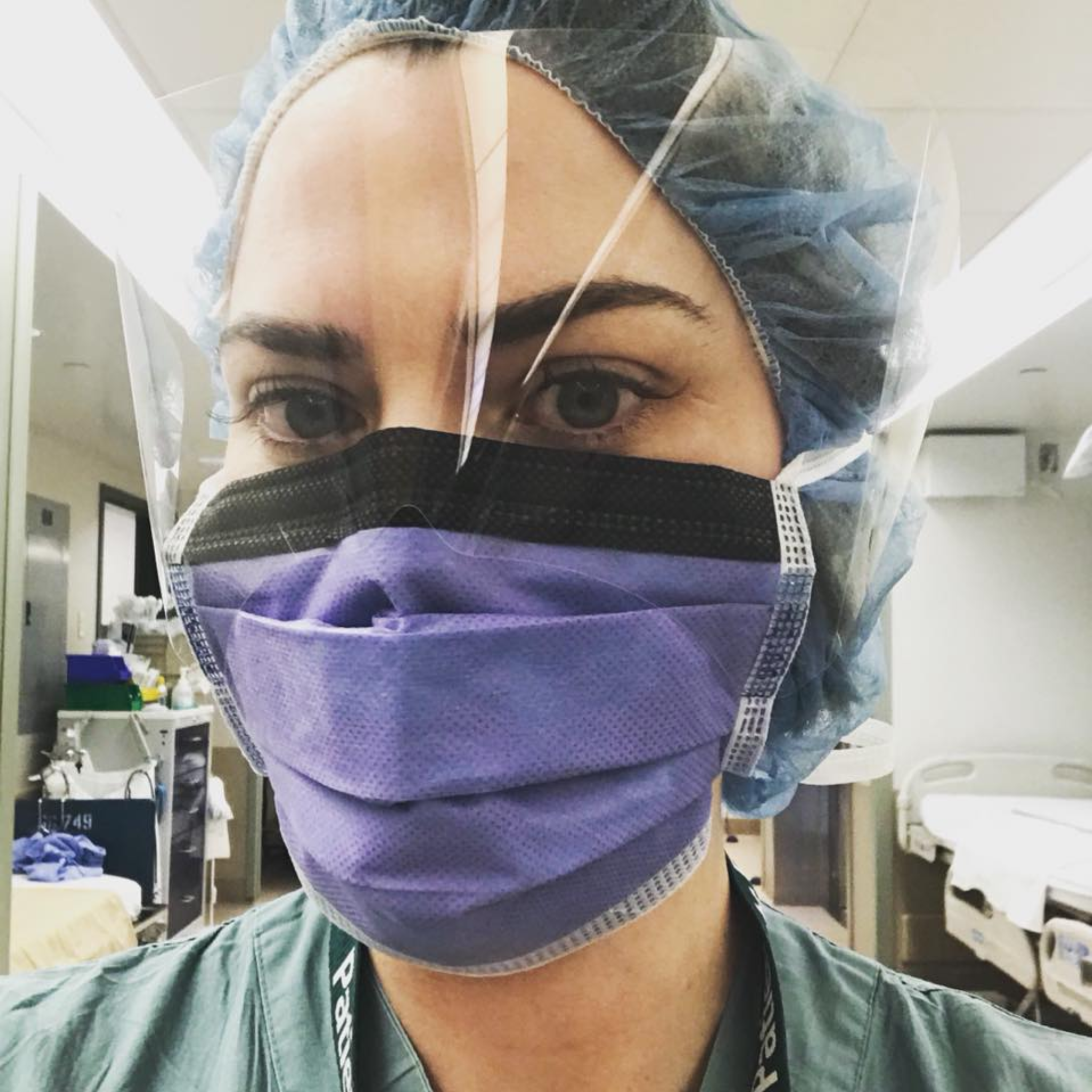
Lisa Moore
CCPA, MFA
Lisa Moore is a 2016 graduate of the University of Manitoba’s Master of Physician Assistant Studies program. Her clinical experience includes trauma and plastic surgery, and she currently provides acute and chronic care in remote, fly-in Indigenous communities across Northern Manitoba. In addition to her clinical work, Lisa holds a Master of Fine Arts in Creative Writing from the University of British Columbia, completed in 2022.
PAs Pursuing Master's Degrees: Expanding Roles, Deepening Impact
As the Physician Assistant (PA) profession in Canada continues to evolve, an increasing number of practicing PAs are choosing to pursue master’s degrees to enhance their clinical, academic, and leadership capacities. Whether entering fields such as education, healthcare administration, or public health - or deepening their clinical or research expertise - these advanced degrees reflect the growing complexity and potential of the PA role.
Why Pursue a Master’s Degree?
While Canada’s PA programs currently confer a baccalaureate or second-entry credential, PAs are increasingly seeking graduate education for a range of reasons:
Leadership & Administration: Degrees like the MBA or MHA provide skills in system-level thinking, strategic planning, and health policy.
Education: Graduate degrees in health sciences education or adult learning allow PAs to take on teaching and curriculum leadership roles within academic programs.
Clinical & Research Development: MSc degrees in clinical research or specialty fields allow for focused expertise and scholarly contributions to evidence-based practice.
Creative or Interdisciplinary Interests: Some PAs pursue graduate education in fields such as creative writing or global health, broadening their capacity to connect, communicate, and advocate beyond the bedside.
Considerations for PAs Exploring Graduate Study
Timing: Many PAs return to school mid-career. Flexibility through part-time or online programs is often key.
Funding: Some employers offer professional development funding; scholarships and research grants may also be available depending on the program.
Alignment: Choosing a program that aligns with your long-term goals-whether academic, administrative, or clinical-is essential.
Graduate Degrees Worth Considering
Master of Science (MSc) in Health Science or Clinical Education
Ideal for: PAs interested in teaching, curriculum development, or academic program leadership
How it helps:
Builds expertise in educational theory, instructional design, and learner assessment
Supports teaching roles in PA programs and clinical simulation
Enhances qualifications for academic leadership positions
Master of Public Health (MPH)
Ideal for: PAs pursuing roles in population health, health equity, or public policy
How it helps:
Develops skills in epidemiology, health promotion, and program planning
Prepares PAs to contribute to public health initiatives or work with underserved populations
Opens pathways into government, non-profit, and international health sectors
Master of Business Administration (MBA) or Executive MBA
Ideal for: PAs seeking leadership, management, or entrepreneurial roles
How it helps:
Provides training in organizational strategy, finance, operations, and team leadership
Equips PAs to manage clinical teams or lead healthcare ventures
Supports advocacy efforts through strong business acumen and system-level thinking
Master of Health Administration (MHA)
Ideal for: PAs aiming for healthcare leadership or system-level management roles
How it helps:
Offers specialized knowledge in healthcare policy, quality improvement, and operational efficiency
Prepares PAs for director-level or executive roles in hospitals, clinics, or government health systems
Enhances understanding of how to improve healthcare delivery at a systems level
Master of Medical Education (MMEd)
Ideal for: PAs involved in academic teaching, program design, or leadership within medical or PA education
How it helps:
Provides advanced training in educational theory, curriculum development, assessment, and faculty development
Equips PAs to design, deliver, and evaluate effective medical education across learner levels
Supports leadership roles in PA programs, continuing professional development, or interprofessional education
Strengthens credentials for academic promotions and education scholarship
Master of Science (MSc) in Clinical or Biomedical Sciences
Ideal for: PAs interested in clinical research, academic medicine, or specialty practice
How it helps:
Develops research methodology, critical appraisal, and scientific writing skills
Enables PAs to contribute to evidence-based medicine, quality improvement, or publication
Strengthens credentials for roles involving scholarly work or specialty focus
Master of Fine Arts (MFA) or Interdisciplinary Graduate Degrees
Ideal for: PAs with interests in communication, storytelling, creative writing, or advocacy
How it helps:
Enhances narrative skills for patient communication, public speaking, or health advocacy
Supports work in narrative medicine or health humanities
Allows PAs to bring a human-centered approach to healthcare through creative expression
Final Thoughts
Pursuing a master’s degree is not necessarily about leaving the PA role behind - it’s about expanding its reach. As more PAs pursue graduate education, they are helping to define the future of the profession: one that is versatile, forward-thinking, and deeply embedded in the systems and communities it serves.
Claim CPD Credits
Visit our CPD Guide for clear, step-by-step support.
Practicing PAs must log CPD activities according to PACCC’s Maintenance of Certification (MOC) standards. This guide outlines how to determine Section 1 vs. Section 2 credits, complete required forms, and meet submission deadlines.
Follow the steps to ensure your activities are eligible and accurately tracked for audit purposes.