
Session Overview
In this Virtual PA Shadowing session, you'll hear from Lauren Shute, CCPA (Winnipeg, MB) and Maureen Taylor, CCPA (Toronto, ON), two Physician Assistants working in Infectious Diseases. Their practices span both inpatient and outpatient settings, where they care for patients with a range of complex infections including HIV, hepatitis, osteomyelitis, and sepsis.
They’ll discuss how PAs contribute to diagnostic workups, antimicrobial management, and longitudinal care, often in close collaboration with physicians, pharmacists, and public health teams. This session provides a practical look at the day-to-day work of PAs in infectious disease, and how they help support continuity of care in a field that bridges acute medicine, chronic illness, and systems-level infection control.
Earning CPD Credits
This live event has passed, and the Section 1 CPD credit window has now closed.
You may still watch the replay and log 1.5 hours under Section 2 CPD credits. Please note that no certificate will be issued for Section 2 credits.
Featured Speakers
-

Maureen Taylor
CCPA
Infectious Disease PA
Toronto, ONMaureen Taylor is a Canadian Certified Physician Assistant specializing in Infectious Diseases at Michael Garron Hospital in Toronto. A graduate of McMaster University's inaugural PA class, she transitioned to medicine after a distinguished 25-year career as a medical journalist, including as CBC's national health reporter. Her first clinical role was in Emergency Medicine at Sunnybrook Health Sciences Centre, where she helped establish and normalize the PA role in a large academic hospital setting.
Today, Maureen provides inpatient consults in infectious diseases, with a special focus on antimicrobial stewardship and the treatment of complex infections, including C. difficile. She performs fecal microbiota transplants and plays an active role in teaching PA students and mentoring residents and fellows. Known for her sharp clinical reasoning, advocacy for Medical Assistance in Dying, and her clear communication style honed through journalism, Maureen brings a unique perspective to patient care and interdisciplinary collaboration. She was the recipient of the 2016 Tom Ashman PA of the Year Award and remains a leading voice in advancing the PA profession in Canada.
-
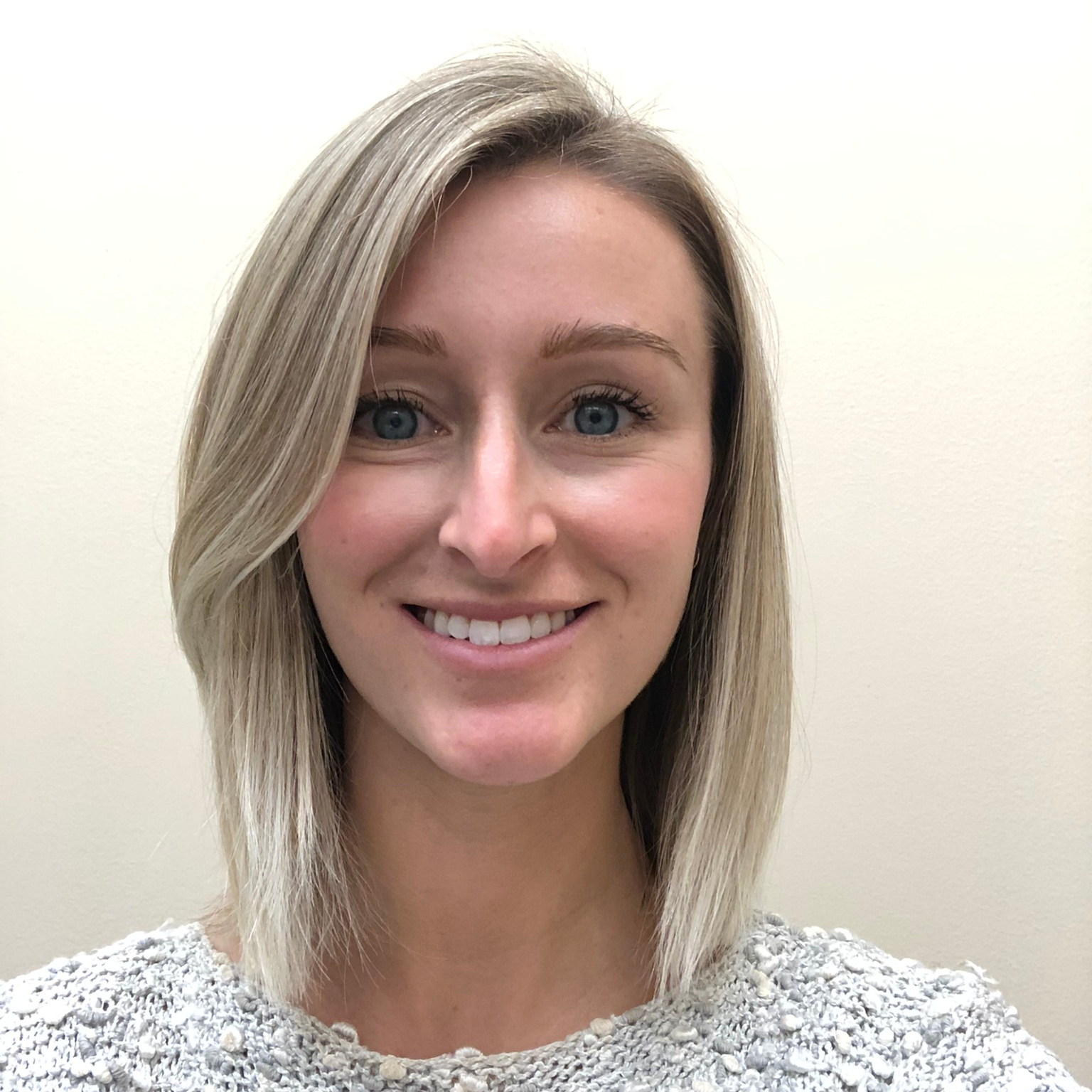
Lauren Shute
CCPA
Infectious Disease PA
Winnipeg, MB
What is Infectious Disease?
The specialty of Infectious Diseases (ID) focuses on diagnosing, treating, and managing infections caused by pathogens such as bacteria, viruses, fungi, and parasites. Healthcare providers working in this specialty have extensive training in the complexities of infections, including their mechanisms of spreading, their impact on the human body, and how to control or eradicate them. Infectious diseases can range from common infections, like influenza and strep throat, to more exotic and severe diseases such as Ebola, HIV/AIDS, tuberculosis, and emerging zoonotic diseases (infections that are transmitted from animals to humans).
Key aspects of the Infectious Diseases specialty include:
Diagnosis: ID specialists are experts in identifying infections, which often involves interpreting various diagnostic tests, including cultures, serologies (blood tests to detect antibodies or antigens), and molecular diagnostic tests. They often serve as consultants to other physicians in cases of complex infections or when the cause of a disease is difficult to determine.
Treatment: They design and oversee treatment plans, which may include the administration of antibiotics, antivirals, antifungals, or antiparasitics. Treatment also involves monitoring for side effects and making adjustments as necessary to effectively manage the infection.
Infection Control and Prevention: ID specialists play a crucial role in developing strategies to prevent the spread of infections, especially in healthcare settings. This includes implementing and advising on infection control protocols, vaccination programs, and public health interventions.
Travel Medicine: ID specialists may also provide advice on preventing travel-related infections, including vaccinations and prophylactic (preventive) treatments for diseases like malaria.
The PA role in Infectious Disease
In an infectious disease (ID) hospital setting, Physician Assistants (PAs) play a vital role in the management and care of patients with infectious diseases. Their responsibilities are diverse and integral to the healthcare team, focusing on both the direct care of patients and the broader public health implications of infectious diseases.
Here's what a PA typically does in this setting:
Patient Assessment and Management: PAs conduct thorough assessments of patients presenting with symptoms of infectious diseases. This includes taking detailed patient histories, performing physical examinations, and interpreting laboratory and diagnostic tests to help diagnose infections. They manage the care of patients by initiating treatment plans, monitoring patients' progress, adjusting treatments as necessary, and providing follow-up care.
Prescribing Medications: Under the supervision of an infectious disease physician, PAs prescribe medications to treat various infections. This includes antibiotics, antivirals, antifungals, and other antimicrobial agents. They also monitor for side effects and efficacy of the treatments, making adjustments to therapy as needed.
Infection Control and Prevention: PAs are involved in implementing infection control measures within the hospital to prevent the spread of infectious diseases. They educate patients, families, and hospital staff on proper hygiene practices, isolation protocols, and the use of personal protective equipment (PPE).
Education and Counseling: PAs provide education and counseling to patients and their families about their conditions, treatment plans, and preventive measures to avoid further infection or transmission. This includes discussing the importance of vaccination, safe sex practices, and adherence to treatment regimens.
Collaboration and Coordination of Care: In the hospital setting, PAs work closely with infectious disease physicians, nurses, and other healthcare professionals to provide comprehensive care. They participate in multidisciplinary team meetings to discuss patient cases, coordinate care with other specialties as needed, and assist in the transition of care from the hospital to the community or other care settings.
Claim CPD Credits
Visit our CPD Guide for clear, step-by-step support.
Practicing PAs must log CPD activities according to PACCC’s Maintenance of Certification (MOC) standards. This guide outlines how to determine Section 1 vs. Section 2 credits, complete required forms, and meet submission deadlines.
Follow the steps to ensure your activities are eligible and accurately tracked for audit purposes.