
Session Overview
In this Virtual PA Shadowing session, Canadian Armed Forces PAs share what it’s like to provide frontline medical care in both base clinics and deployed settings. With a scope that spans primary care, trauma response, and operational readiness, military PAs work with limited resources, high autonomy, and in diverse environments-from naval ships to remote field units. Their day-to-day includes managing MSK injuries, mental health concerns, and acute medical issues, often without a physician on site.
The session also explores pathways into military PA roles, including transitioning from a Med Tech through the CAF’s internal training program or joining as a civilian-trained PA through direct entry. You’ll gain insight into how military PAs contribute to trauma care, dive and flight medicine, and disaster response, while developing strong diagnostic reasoning and decision-making skills in high-pressure contexts.
Earning CPD Credits
This live event has passed, and the Section 1 CPD credit window has now closed.
You may still watch the replay and log 1.5 hours under Section 2 CPD credits. Please note that no certificate will be issued for Section 2 credits.
Featured Speakers
-
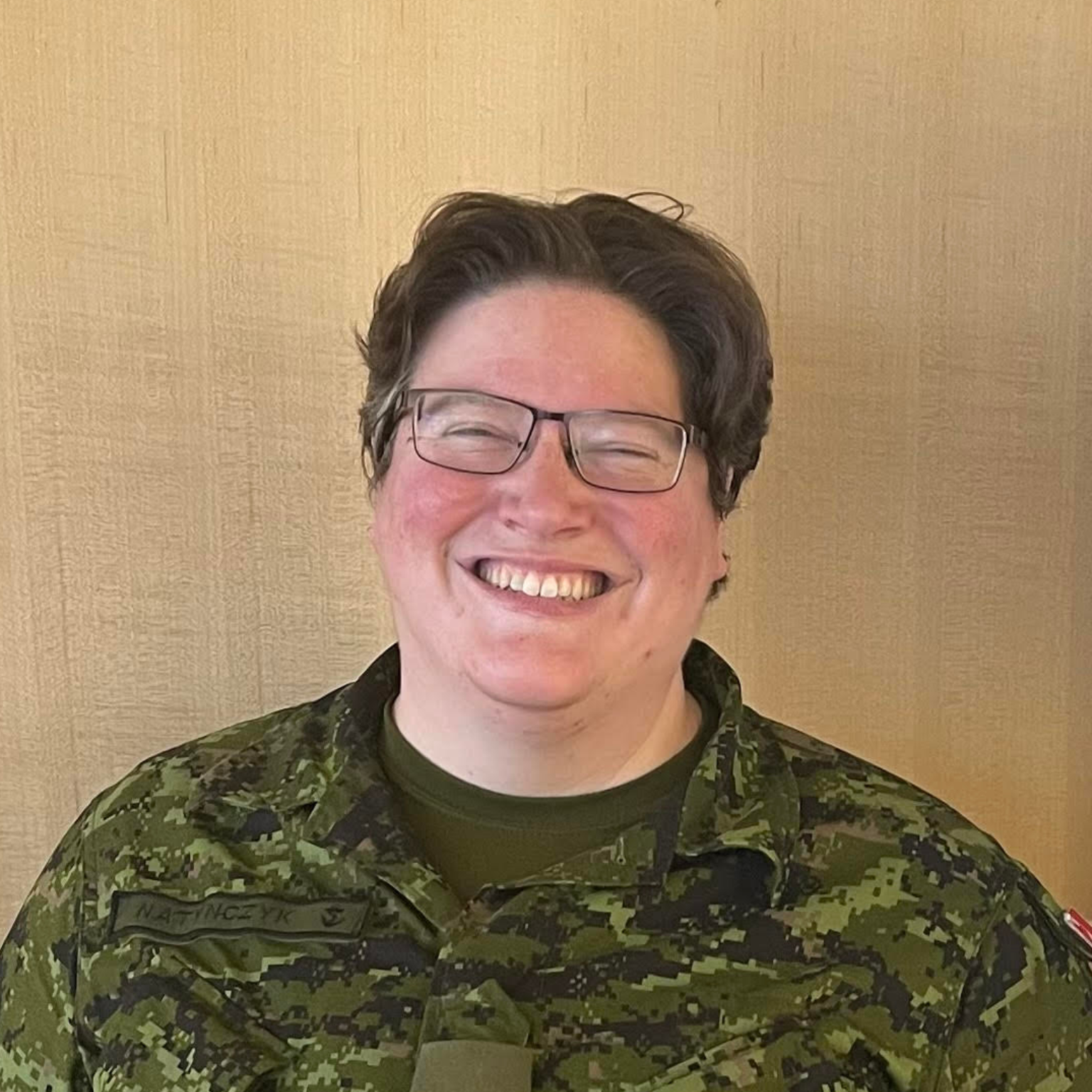
Sub-Lieutenant Margaret Natynczyk
CCPA
PA in Field Ambulances
Canadian Armed Forces
Edmonton, AlbertaMargaret began her career in the Canadian Armed Forces in 2007 as a Medical Technician, joining as a Sailor 3rd Class with a diploma in paramedicine. Over the years, she completed three operational tours—serving with the Army, Navy, and Air Force—and spent three and a half years as a shipboard medic on the East Coast. As a Master Sailor, she led a Unit Medical Station for the 2nd Canadian Engineer Regiment and supported the brigade pharmacy for 2 Field Ambulance in Petawawa, Ontario.
In 2018, Margaret was accepted into the Canadian Forces PA Program at the Health Services Training Centre in Borden, ON, graduating in 2021 with a BSc in Physician Assistant Studies from the University of Nebraska Medical Center. Now posted to 1 Field Ambulance in Edmonton, she supports both field operations and primary care services, while mentoring junior medics and overseeing a Unit Medical Station. She is currently completing her Master’s degree through UNMC with a focus on Family Medicine and Emergency/Trauma.
-
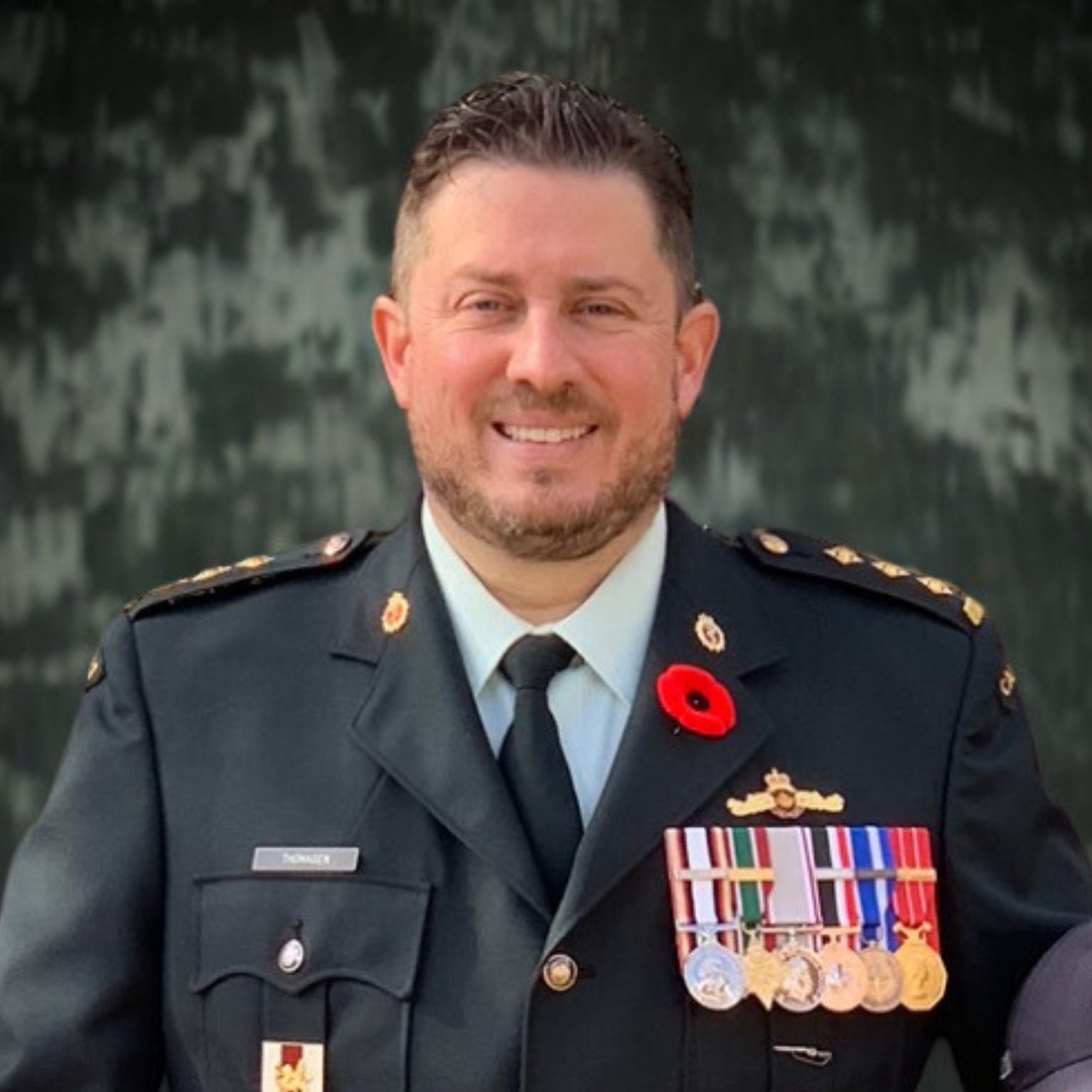
Captain Mike Thomasen
CCPA
PA in Advanced Dive/Basic Aviation Medicine
Canadian Submarine Force
Canadian Armed ForcesOriginally from Mount Pearl, Newfoundland, Captain Michael Thomasen has served in the Canadian Armed Forces since 1993. He began his career as an Infantry Soldier with the Royal Newfoundland Regiment, later transitioning to a Medical Technician role in 2001. Over the years, he has worked in diverse settings across the Army, Navy, and Air Force, including base hospitals, naval vessels, and aeromedical units. His experience includes deployments, tactical medicine instruction, and close collaboration with special operations forces. He completed his Primary Care Paramedic certification in 2005 and later his Physician Assistant training through the Canadian Forces Health Services Training Centre, earning a PA degree from the University of Nebraska.
Following his qualification as a PA, Captain Thomasen volunteered for submarine service, completing advanced training in dive and submarine medicine to serve as a sole provider in austere environments. Based in Halifax with the Canadian Submarine Force, he also supports the Fleet Diving Unit and instructs Naval Dive Programs. He recently completed his Basic Aviation Medicine Course and is preparing for a posting to CFB Trenton. Outside of military service, he enjoys outdoor activities with his family, marksmanship sports, and teaches firearm safety in Nova Scotia.
What is Military Medicine?
Military medicine is a specialized field that encompasses the practice of medicine in a military context. It involves the application of medical and health sciences to prevent, diagnose, and treat diseases and injuries in military personnel and, at times, civilian populations during conflicts, peacekeeping operations, and humanitarian missions. Military medicine is not only about providing healthcare in war zones but also involves a broad range of activities aimed at maintaining the health and readiness of armed forces personnel in various environments and conditions.
Key aspects of military medicine include:
Operational Medicine: Focuses on providing care in combat and operational settings, including battlefield medicine, where medical professionals must deliver care under potentially hazardous conditions with limited resources.
Preventive Medicine: Aims to prevent disease and injury and promote health among military personnel. This includes vaccinations, hygiene measures, disease surveillance, and fitness programs to ensure that troops are ready for deployment.
Disaster and Humanitarian Response: Military medical personnel often play critical roles in disaster response and humanitarian missions, providing emergency care, public health services, and support to affected populations in the aftermath of natural disasters, outbreaks, or other crises.
Aerospace Medicine: Focuses on the health and well-being of personnel in the aerospace environment, including pilots and astronauts. It deals with the medical challenges of flight and space travel, such as the effects of acceleration, microgravity, and hypoxia.
Diving and Hyperbaric Medicine: Involves the treatment and prevention of diving-related illnesses and conditions associated with high-pressure environments, such as decompression sickness.
Occupational and Environmental Medicine: Addresses the risks and health issues associated with military occupations and environments, including exposure to hazardous materials, extreme climates, and psychological stressors.
Trauma and Critical Care: Military medicine has contributed significantly to advancements in trauma care and emergency medicine, focusing on the treatment of severe and life-threatening injuries, including those from blasts and gunshot wounds.
Psychiatric and Behavioral Health: Addresses the mental health and psychological well-being of military personnel, including the prevention, diagnosis, and treatment of mental health conditions, such as post-traumatic stress disorder (PTSD), depression, and anxiety, related to military service.
Rehabilitation Medicine: Focuses on the recovery and rehabilitation of injured service members, including physical therapy, occupational therapy, and prosthetic services, to help them regain function and return to duty or transition to civilian life.
Military medicine requires healthcare providers to be adaptable, resourceful, and capable of working in diverse and often challenging environments. It encompasses a wide range of medical specialties and requires an understanding of military culture and the unique demands of military operations.
Medical professionals in this field may include physicians, nurses, physician assistants, medics, and other healthcare specialists who are either part of the armed forces or civilian contractors. Their work is critical to ensuring the health, operational readiness, and effectiveness of the Canadian Armed Forces.
The PA role in the Military
Physician Assistants (PAs) play a vital and versatile role in military medicine, providing a broad range of healthcare services to military personnel, their families, and sometimes civilian populations during humanitarian missions. Within the military, PAs are commissioned as officers and serve in all branches of the armed forces, including the Army, Navy, Air Force, and Marines. Their roles and responsibilities in military medicine mirror the diversity and dynamism of the field itself, adapting to the unique demands of military operations, whether at home bases, in field hospitals, or in combat zones. Here are some of the key functions PAs perform in military medicine:
Primary Care: PAs often serve as primary care providers, delivering comprehensive healthcare to service members and their families. This includes preventive medicine, routine check-ups, diagnosing and treating illnesses, and managing chronic conditions.
Emergency and Trauma Care: In combat and operational settings, PAs provide critical emergency and trauma care, stabilizing patients with life-threatening injuries, performing life-saving procedures, and preparing patients for evacuation to higher-level care facilities.
Operational Medicine: PAs are integral to operational medicine units, where they support the health and operational readiness of military units. This involves tailoring medical services to meet the specific needs of units in diverse and often austere environments, including aboard ships, in submarine operations, and in aviation units.
Preventive Medicine: In line with military medicine’s focus on prevention, PAs conduct screenings, vaccinations, and health education sessions to prevent illness and injury and to maintain the overall health of military personnel.
Medical Command and Administration: Experienced PAs may take on leadership and administrative roles within the military healthcare system, overseeing medical units, managing healthcare services, and participating in planning and policy development for military medicine operations.
Training and Education: PAs in the military often have responsibilities for training and mentoring medical personnel, including medics and junior PAs. They may also provide health education to military units on topics such as combat life-saving skills, disease prevention, and health maintenance.
Humanitarian and Disaster Response: Military PAs may participate in humanitarian missions and disaster response efforts, providing medical care to civilian populations affected by natural disasters, conflict, or other crises.
Research: Some military PAs are involved in medical research, contributing to studies on topics relevant to military medicine, such as trauma care, infectious diseases, and mental health.
Military PAs are required to maintain a high level of medical proficiency and adaptability, as their roles can change rapidly depending on their deployment and the needs of the service. Their extensive training and diverse skill set make them invaluable members of the military healthcare team, capable of delivering high-quality medical care in any setting, from peacetime bases to front-line combat zones.
Claim CPD Credits
Visit our CPD Guide for clear, step-by-step support.
Practicing PAs must log CPD activities according to PACCC’s Maintenance of Certification (MOC) standards. This guide outlines how to determine Section 1 vs. Section 2 credits, complete required forms, and meet submission deadlines.
Follow the steps to ensure your activities are eligible and accurately tracked for audit purposes.