
Session Overview
This session explores the role of Physician Assistants in adult neurosurgery, with a focus on practical insights for current PAs and PA students. Speakers will share their experience managing patients with traumatic brain injuries, spinal pathologies, and intracranial tumors across inpatient, outpatient, and perioperative settings.
The discussion will cover day-to-day responsibilities, on-call workflow, and how PAs contribute to surgical planning, acute management, and continuity of care. Whether you're considering a transition into a surgical subspecialty or preparing for clinical rotations, this session offers a detailed look at what neurosurgical practice involves and how PAs fit into high-acuity, team-based environments.
Earning CPD Credits
This live event has passed, and the Section 1 CPD credit window has now closed.
You may still watch the replay and log 1.5 hours under Section 2 CPD credits. Please note that no certificate will be issued for Section 2 credits.
Featured Speakers
-
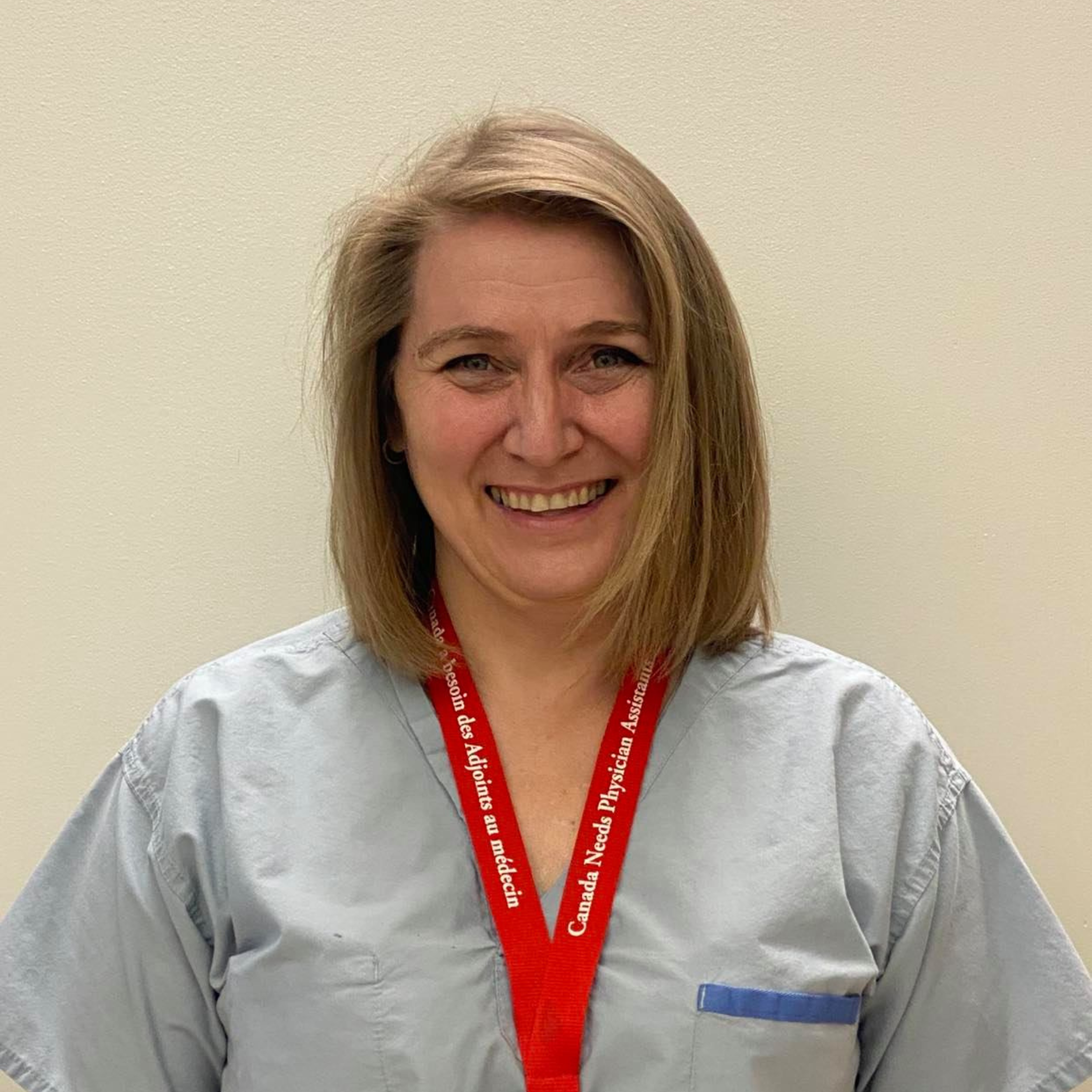
Kirsten Luomala
CCPA
Neurosurgery PA
Edmonton, AlbertaKirsten Luomala is a Neurosurgery PA in Edmonton Alberta. She originally trained through the PA program in the Canadian Armed Forces. She transitioned into a civilian PA position and left the military. She joined as one of the last bearers of the Alberta PA demonstration project. She joined the Neurosurgery team at a hospital in Edmonton, Alberta and has been working there since.
-
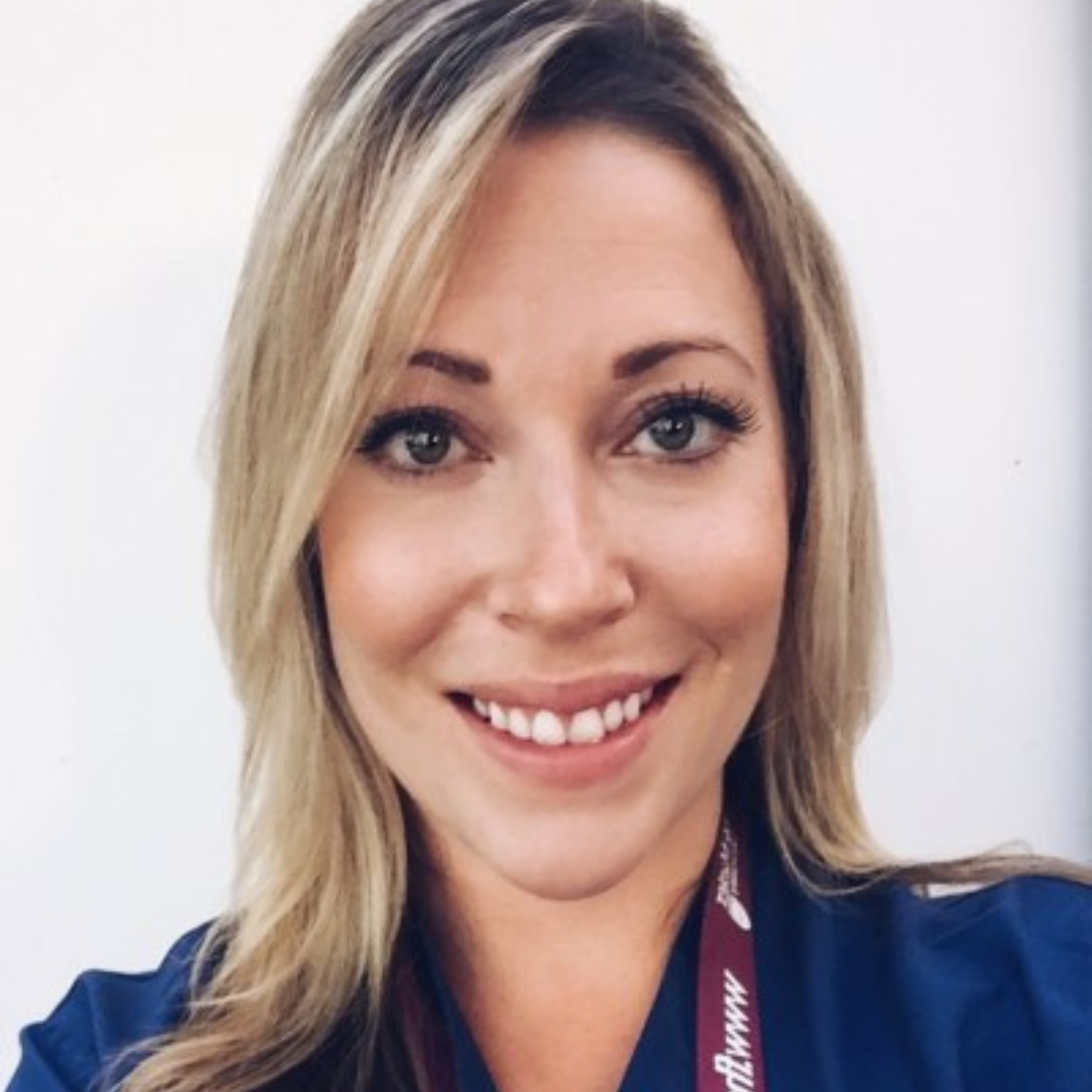
Tracy Watson
CCPA
Neurosurgery, PA
Kingston, ONTracy is a graduate of the McMaster University Physician Assistant Program, Class of 2013, and has been practicing in Neurosurgery for the past eight years. She is based at Kingston Health Sciences Centre in Kingston, Ontario, where she works alongside six neurosurgeons in both inpatient and outpatient settings. Her clinical focus includes adult neuro-trauma, neuro-oncology, and degenerative spinal disorders.
What is Neurosurgery?
Neurosurgery is a medical specialty focused on the surgical treatment of disorders and injuries affecting the brain, spine, and nervous system, including peripheral nerves. This complex field requires a high degree of precision and expertise, as it deals with some of the most critical functions and structures of the human body.
Neurosurgeons undergo extensive training to diagnose and perform surgical interventions for a wide range of conditions. These conditions can include congenital anomalies, trauma, tumors, vascular disorders, infections of the brain or spine, stroke, or degenerative diseases of the spine.
Key aspects of neurosurgery include:
Brain Surgery: Neurosurgeons perform operations on the brain to remove tumors, clip aneurysms, drain abscesses, and treat conditions like epilepsy and Parkinson's disease. They also address traumatic injuries and congenital anomalies.
Spinal Surgery: This includes the treatment of spinal cord injuries, herniated discs, spinal stenosis, spinal deformities (such as scoliosis), and tumors of the spinal column. Techniques range from minimally invasive procedures to complex spinal reconstructions.
Peripheral Nerve Surgery: Neurosurgeons treat conditions affecting the peripheral nerves (those outside the brain and spinal cord), such as carpal tunnel syndrome and nerve injuries.
Pediatric Neurosurgery: Pediatric neurosurgeons specialize in treating neurological disorders in children, which can range from congenital malformations of the brain and spine to injuries or tumors.
Neurovascular Surgery: Neurosurgeons treat vascular disorders affecting the brain and spinal cord, including aneurysms, arteriovenous malformations (AVMs), and stroke interventions.
Trauma Surgery: This involves urgent care for traumatic brain and spinal cord injuries, including surgeries to relieve pressure on the brain and repair skull fractures.
The PA Role in Neurosurgery
Physician Assistants in neurosurgery play a pivotal role in the comprehensive care of patients with neurological conditions that may require surgical intervention. Their responsibilities span the continuum of care from the outpatient setting to the operating room and postoperative follow-up, providing a high level of support to neurosurgeons and enhancing patient care. Here's what PAs typically do in neurosurgery:
Patient Assessment and Management: PAs perform detailed histories and physical examinations, evaluate neurological status, order and interpret diagnostic tests (such as MRIs, CT scans, and X-rays), and assess patients' readiness for surgery. They play a key role in developing and managing treatment plans, monitoring patient progress, and identifying complications or the need for further interventions.
Surgical Assist: In the operating room, PAs assist neurosurgeons during surgical procedures. This may involve handling surgical instruments, providing exposure of the surgical field, suturing, and managing intraoperative complications. Their hands-on support helps increase the efficiency and safety of neurosurgical procedures.
Preoperative and Postoperative Care: PAs are involved in preoperative preparation, including patient education, optimization of medical conditions before surgery, and coordination of care. Postoperatively, they manage wound care, monitor for complications, adjust medications, and contribute to pain management. They also play a crucial role in patient and family education regarding postoperative care and expectations.
Inpatient Care: Within the hospital setting, PAs manage the care of neurosurgical patients, including those in the intensive care unit (ICU). They perform rounds, order and interpret tests, adjust treatment plans based on patient progress, and facilitate communication among the healthcare team, patients, and their families.
Outpatient Care: PAs conduct follow-up visits, evaluate patients' recovery, manage chronic neurosurgical conditions, and provide ongoing education and support for patients and their families. They also assess and triage new referrals to determine the urgency of neurosurgical evaluation.
Procedural Interventions: Depending on their scope of practice and training, PAs may perform certain procedures independently, such as lumbar punctures, ventricular drain management, and simple wound closures.
Research and Education: Many PAs participate in clinical research, quality improvement initiatives, and the education of medical students, residents, and PA students. They contribute to the advancement of neurosurgical care and practices.
Claim CPD Credits
Visit our CPD Guide for clear, step-by-step support.
Practicing PAs must log CPD activities according to PACCC’s Maintenance of Certification (MOC) standards. This guide outlines how to determine Section 1 vs. Section 2 credits, complete required forms, and meet submission deadlines.
Follow the steps to ensure your activities are eligible and accurately tracked for audit purposes.