
Session Overview
In this Virtual PA Shadowing session, you'll get a firsthand look at the evolving role of Physician Assistants in urology—an intricate medical-surgical specialty that bridges internal medicine, surgery, oncology, and reproductive health.
Featuring Shaine Jivan, CCPA (Rockyview General Hospital, Calgary) and Hannah Wiens, CCPA (Edmonton), this session explores how PAs support the diagnosis, treatment, and management of conditions ranging from kidney stones and hematuria to prostate cancer and bladder dysfunction.
Shaine and Hannah share their clinical pathways, offer insight into bedside procedures, ward consults, and OR assistance, and reflect on how they’ve helped integrate the PA role into their urology teams. You’ll also gain exposure to the core skills and challenges in this specialty, from patient education and procedural care to culturally responsive practice and surgical collaboration.
This session includes a practical overview of the PA scope in urology, real-world case examples, and curated learning tools to deepen your understanding of this dynamic field.
Earning CPD Credits
This live event has passed, and the Section 1 CPD credit window has now closed.
You may still watch the replay and log 1.5 hours under Section 2 CPD credits. Please note that no certificate will be issued for Section 2 credits.
Featuring
-
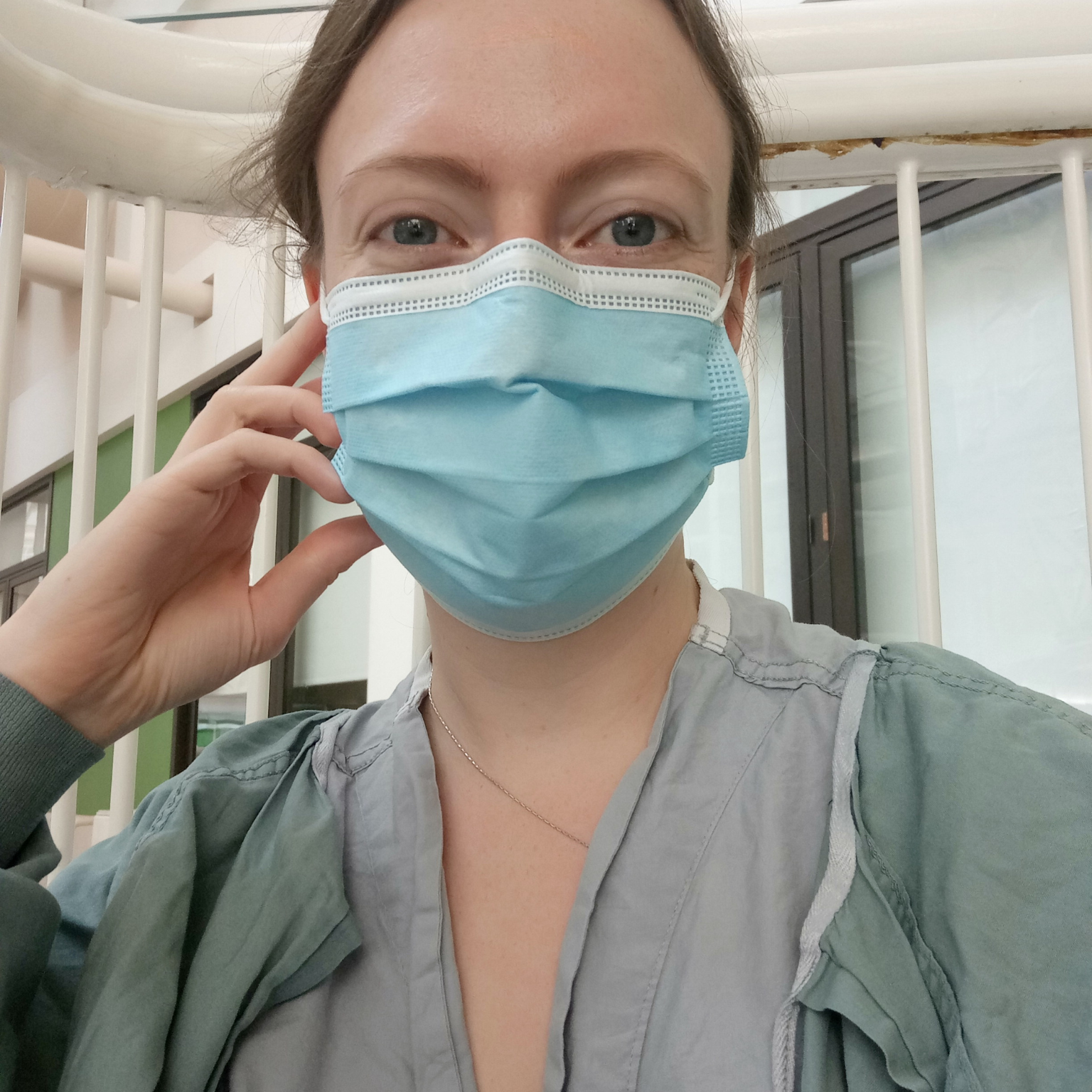
Hannah Wiens
CCPA
Urology PA
Edmonton, AlbertaHannah is a McMaster PA graduate working in urology in Edmonton, where she manages inpatient consults, performs bedside procedures, and supports patients with acute genitourinary issues like kidney stones or hematuria. She brings a strong commitment to culturally aware and 2SLGBTQ+ affirming care. Outside of work, she enjoys making music, cooking, hiking, and caring for her lizard and other unique pets.
-

Shaine Jivan
CCPA
Urology PA
Calgary, AlbertaShaine practices at Rockyview General Hospital in Calgary, with a clinical focus on general urology. A 2021 graduate of the PA Consortium, he also holds a kinesiology degree from the University of Calgary. When not in clinic or OR, Shaine is likely exploring new cuisines, playing soccer, or planning his next travel adventure
What is the specialty of Urology?
Urology is a medical and surgical specialty that focuses on the diagnosis, treatment, and management of disorders affecting the urinary tract in both men and women, as well as the male reproductive system. This field encompasses a wide range of conditions, including those affecting the kidneys, ureters, bladder, urethra, and the male reproductive organs, including the testes, epididymis, vas deferens, seminal vesicles, prostate, and penis.
Key Areas and Procedures in Urology
General Urology: Involves the management of common urological issues such as urinary tract infections (UTIs), benign prostatic hyperplasia (BPH), and urinary incontinence.
Urologic Oncology: Focuses on cancers of the urinary system and male reproductive system, including the bladder, kidneys, prostate, testicles, and penis. Urologists perform surgeries, administer chemotherapy, and utilize other treatments to manage these cancers.
Pediatric Urology: Specializes in urological problems in children, such as congenital abnormalities of the urinary tract, vesicoureteral reflux, and undescended testes.
Endourology: Deals with minimally invasive surgical procedures, utilizing scopes to enter the urinary tract. Common procedures include the removal of kidney stones and tumor treatments.
Neurourology: Focuses on urological disorders related to the nervous system, including neurogenic bladder, a condition affecting the bladder's nerves and muscles, leading to incontinence or urinary retention.
Andrology: Concerned with male health, particularly relating to problems of the male reproductive system and urological issues that affect men, such as erectile dysfunction and infertility.
Female Urology: Focuses on conditions affecting the female pelvic floor, including urinary incontinence and pelvic organ prolapse.
Reconstructive Urology: Involves surgery to restore normal function and appearance to the urinary tract and genitalia following injury, disease, or congenital conditions.
Urology combines medical and surgical expertise, requiring a deep understanding of internal medicine, pediatrics, gynecology, and other specialties due to the wide variety of clinical problems in the field.
The PA Role in Urology
Physician Assistants (PAs) in urology play a vital role in the management and care of patients with urological conditions. Working under the supervision of urologists, they provide a broad range of services that enhance patient care and improve the efficiency of the urology practice. Their roles and responsibilities can vary widely, depending on the specific needs of the practice or hospital and the regulations of the state or country in which they work. Here are some of the key functions PAs perform in urology:
Clinical Duties
Patient Assessment: PAs conduct comprehensive assessments, including taking detailed medical histories and performing physical examinations, with a focus on the genitourinary system.
Diagnosis and Management: They assist in diagnosing urological conditions by ordering and interpreting diagnostic tests, such as urinalysis, blood tests, imaging studies (e.g., ultrasound, CT scans), and cystoscopies. PAs develop and manage treatment plans for a variety of urological conditions, under the supervision of a urologist.
Procedures: Depending on their scope of practice and training, PAs may perform or assist in various procedures, including catheterizations, cystoscopies, prostate biopsies, and the administration of intravesical therapies.
Medication Management: They prescribe medications for various urological conditions, including antibiotics for UTIs, medications for erectile dysfunction, and hormone therapy for prostate conditions.
Patient Education: PAs provide education and counseling to patients and their families regarding their conditions, treatment options, and preventive care measures to maintain urological health.
Surgical Assist: PAs in urology may assist urologists in the operating room, providing support during surgical procedures. Their roles can include handling instruments, providing surgical exposure, suturing, and assisting with robotic surgical systems.
Postoperative Care
They play a key role in managing postoperative care, monitoring patients for complications, managing pain, removing catheters, and providing wound care. PAs also conduct postoperative follow-up visits, assess the healing process, and adjust treatment plans as needed.
Office and Administrative Responsibilities
In addition to clinical duties, PAs often handle administrative tasks within a urology practice, such as coordinating patient care, managing patient flow, and documentation. They may also participate in research projects and quality improvement initiatives within the practice.
Specialty Areas
Within urology, PAs may focus on specific areas, such as oncology, pediatrics, male infertility, or female urology, depending on the needs of their practice and their interests.
PAs in urology serve as an integral part of the healthcare team, working closely with urologists, nurses, and other healthcare professionals to provide high-quality care to patients with urological needs. Their extensive training in general medicine, combined with specialized knowledge in urology, allows them to manage both acute and chronic urological conditions effectively, improving patient outcomes and satisfaction.
Claim CPD Credits
Visit our CPD Guide for clear, step-by-step support.
Practicing PAs must log CPD activities according to PACCC’s Maintenance of Certification (MOC) standards. This guide outlines how to determine Section 1 vs. Section 2 credits, complete required forms, and meet submission deadlines.
Follow the steps to ensure your activities are eligible and accurately tracked for audit purposes.